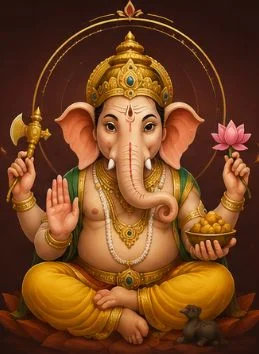
A vrata is a sacred vow - a deliberate act of restraint, puja, and intention that converts an ordinary day into an axis of spiritual merit. The Hindu calendar is structured around vratas: 6 tithi-driven monthly observances, 25 annual vratas, and 5principal women’s saubhagya-vratas. Below: timing, procedure, origin story (katha), food rules, and the phala (promised fruit) for each.
What is a vrata?
Vrata (Sanskrit: व्रत) literally means “will, resolve, devotion.” The Taittiriya Aranyaka defines it as “that which the mind resolves to perform and does not abandon.” Unlike a festival (utsava) which is celebratory, a vrata is an interior act - restraint (upavasa, lit. “dwelling near” the deity) combined with an external puja.
Three components make a vrata: Sankalpa (conscious intention-declaration), Upavasa (fasting - partial or full), and Pooja/Parayana (ritual worship or scripture recitation). The Skanda Purana lists over 1,000 named vratas - this page covers the 36 most widely observed.
These repeat on specific tithis every paksha (fortnight) or every lunar month - the recurring heartbeat of the Hindu householder year.
#1
Ekadashi
एकादशी
Vishnu24 / year (2 every month)
11th tithi of both pakshas - Shukla + Krishna
Practice
Full or partial fast from sunrise of Ekadashi to sunrise of Dwadashi. Vishnu Sahasranama recitation. Vishnu temple visit. No grains, beans, or lentils.
Food rules
Phalahara only - fruits, milk, ghee, sabudana, root vegetables. No rice, no wheat, no dal. Even animals fast on Ekadashi by tradition.
Katha - origin story
Murari demon was slain by a kanya born from Vishnu's body - that kanya is Ekadashi. Vishnu granted her: whoever fasts on this day will not see hell.
Phala - promised fruit
Burns a thousand sins. Sustained Ekadashi-vrata for one year grants the merit of an Ashwamedha yajna. 24 named Ekadashis through the year - Vaikuntha Ekadashi (Dec-Jan) is supreme.
#2
Pradosha
प्रदोष
Shiva24 / year (2 every month)
13th tithi of both pakshas, observed at evening twilight (1.5 hr around sunset)
Practice
Fast during the day. Evening abhishekam of the Shiva linga with milk, curd, ghee, honey, sugar (panchamrita). Bilva-pushpa offering. Recite Pradosha Stotra.
Food rules
Light food only before noon. Strict fast 4-6 pm onwards. Break fast after Pradosha puja with prasadam.
Katha - origin story
During samudra-manthana, halahala poison emerged. Shiva swallowed it. The devas worshipped him at twilight to thank him - the same hour Pradosha is observed today.
Phala - promised fruit
Removes Saturn doshas. Combines well with Saturday + Tuesday Pradoshas - Soma + Mangala + Shani Pradoshas each carry their own multipliers.
#3
Sankashti Chaturthi
सङ्कष्टी चतुर्थी
Ganesha12 / year
Chaturthi (4th tithi) of Krishna paksha each lunar month
Practice
Day-long fast. Evening: Ganesha pooja + 21 modaks + sankashti story + chandra-darshan (sighting the moon). Argya offered to the moon.
Food rules
Phalahara during day. Break fast after sighting the moon - milk + modak first.
Katha - origin story
Ganesha promised: anyone who fasts on Krishna-chaturthi and sees the moon afterwards will have their sankashti (great difficulty) removed. The Sankata Nashana Ganesha Stotra crystallises this.
Phala - promised fruit
Removes sankashtis - financial, legal, marital. Twelve Sankashtis a year, each named after one of Ganesha's 12 names.
#4
Vinayaka Chaturthi
विनायक चतुर्थी
Ganesha12 / year
Chaturthi of Shukla paksha each month
Practice
Shorter day-fast than Sankashti. Morning Ganesha pooja with durva grass, red flowers. No moon-sighting required.
Food rules
Phalahara. Modaks broken at mid-day.
Katha - origin story
Devi Parvati created Ganesha from sandalwood paste; Shiva re-vivified him with an elephant head on this day. Original Vinayaka Chaturthi.
Phala - promised fruit
Initiates new work, journeys, studies. Annual Bhadrapada Shukla Chaturthi = Ganesha Chaturthi, the 10-day festival.
#5
Satyanarayana Purnima
सत्यनारायण व्रत
Vishnu (as Satya-Narayana, the Lord of Truth)12 / year + many auspicious special occasions
Purnima of each lunar month - typically Sunday/Thursday-aligned
Practice
Sankalpa + Satyanarayana katha (Skanda Purana, 5 chapters). Banana-leaf altar with kalasha, panchamrita. Story recited by purohita. Sapatpadi panchamrita prasada.
Food rules
Fast till the puja completes. Break with the panchamrita prasada - banana, ghee, sugar, milk, curd.
Katha - origin story
Skanda Purana, Reva-khanda - Suta narrates to the rishis at Naimisharanya. Five distinct examples: poor brahmana, woodcutter, merchant, prince, devotee - each rewarded for keeping the vow, punished for breaking it.
Phala - promised fruit
Prosperity, family harmony, success in business. The most-performed grihastha puja in modern North India.
#6
Amavasya - Pitru Tarpana
अमावस्या · पितृ तर्पण
Pitru (ancestors)12 / year
Amavasya (new moon) of each lunar month
Practice
River-bank or domestic snana → ardha-arghya → pitru tarpana with sesame seeds + water + darbha grass. Three generations addressed. No grains till afternoon.
Food rules
Phalahara till tarpana complete. Brahmana-bhojana (feeding) part of full vidhi.
Katha - origin story
The pitrus subsist on shraddha offerings. Amavasya is the day they descend to receive - a missed tarpana is felt by them.
Phala - promised fruit
Pitru dosha cleared. Mahalaya Amavasya (Sept-Oct) is the maha-shraddha day for the year.
Annual vratas
25 vratas
Once-a-year peak observances - the major landmarks of the Hindu sacred calendar, many with multiple days of observance.
#1
Maha Shivaratri
महा शिवरात्रि
Shiva1 / year + monthly mini-Shivaratris on Krishna chaturdashi
Krishna chaturdashi of Magha (Feb-Mar) - once a year
Practice
All-night jagarana with four prahara (3-hour) abhishekas - milk, curd, ghee, honey. Bilva offering. Om Namah Shivaya japa through the night.
Food rules
Day-long phalahara. Break only after pratahkala puja the next morning.
Katha - origin story
Shiva drank the halahala poison. Devas asked him to stay awake to keep the poison in his throat - devotees keep vigil alongside him.
Phala - promised fruit
Removes one full janmas' worth of sins. Even a hunter accidentally offering bilva attained Kailasa per the Shiva Purana.
#2
Karva Chauth
करवा चौथ
Karva Mata + Shiva-Parvati + Chandra1 / year
Krishna chaturthi of Karthika (Oct-Nov)
Practice
Married Hindu women fast nirjala (without water) from sunrise. Karva (clay pot) on a thali with sieve. Story of seven brothers. Moon-darshan through the sieve, then husband's face → break fast.
Food rules
Nirjala - no food, no water - from pre-dawn sargi meal until moon-sighting.
Katha - origin story
Bhavishya Purana - Karva's husband bitten by snake; her tapas brought him back. Seven-brothers folk-tale parallel.
9 nights of Ashwina Shukla Pratipada (Sept-Oct) + Chaitra Shukla (Mar-Apr) + 2 Gupta Navaratris in Ashadha + Magha
Practice
9 days of Devi puja. Akhand jyoti (uninterrupted lamp). Durga Saptashati recital. Kanya pujan on Ashtami / Navami. Dussehra on the 10th day.
Food rules
Many fast nirjala or phalahara. No onion, no garlic. Some take only one meal per day.
Katha - origin story
Devi Mahatmya - 9 nights of cosmic battle: Madhu-Kaitabha → Mahisha → Shumbha-Nishumbha. Each night Devi defeated one principal adversary.
Phala - promised fruit
Removes obstacles, brings courage, scholastic success. Saraswati-puja on Maha-Saptami initiates new learning.
#4
Karthika Snana
कार्तिक स्नान
Vishnu + Shiva (Karthika is sacred to both - Vaikuntha + Tripurari month)~30 days / year
Every dawn of Karthika maasa (Oct-Nov)
Practice
Pre-dawn cold bath in a river or sacred pond every day of the lunar month. Tulasi puja. Damanaka aarati. No oil on the body. Damodara stotra recitation.
Food rules
One meal per day (ekabhuktam). No onion-garlic. Avoid sour foods.
Katha - origin story
Karthika maasa is when Vishnu wakes from yoga-nidra (Devuthani Ekadashi opens it). Tulasi married Vishnu in this month - every household plants and worships tulasi.
Phala - promised fruit
Equal to a thousand normal punya days. Vaikunta darshan promised. Karthika Purnima (Dev Diwali) is its peak.
#5
Saawan Somvar
श्रावण सोमवार
Shiva4-5 / year (Mondays in Shravana)
Every Monday of Shravana (Jul-Aug)
Practice
Day fast. Evening Shiva linga abhisheka with milk + Ganga jal. Bilva offering. Tirtha-yatra to a jyotirlinga ideal.
Food rules
Phalahara only. Break fast at evening after Shiva puja.
Katha - origin story
During samudra-manthana, Halahala poison emerged in Shravana. Shiva drank it; the devas + Parvati cooled him with offerings - same offerings devotees make today.
Phala - promised fruit
Married women: long life for husband. Unmarried: a Shiva-like spouse. All: removal of grahas - Mangala (Tue) + Shani (Sat) doshas dissolve.
#6
Janmashtami
जन्माष्टमी
Krishna1 / year
Krishna ashtami of Bhadrapada (Aug-Sept)
Practice
Day fast. Evening + night-long jagarana till Krishna's birth-hour (midnight). Tulasi-mala japa. Dahi-handi tradition (Maharashtra). Vraja katha.
Food rules
Phalahara. Break at midnight with Krishna's prasadam - makhan, mishri, panchamrita.
Katha - origin story
Bhagavata Purana - Devaki + Vasudeva's 8th son born in the Mathura prison on this night. Yashoda received him at Gokula.
Phala - promised fruit
Frees from kingly-line karma. The vrata is open even to the Brahma-Vaivarta - Krishna says any devotee who fasts on his birthday is dearer to him than all yajnas.
#7
Vaikuntha Ekadashi
वैकुण्ठ एकादशी
Vishnu1 / year
Shukla Ekadashi of Margashirsha (Dec) - the Ekadashi nearest to winter solstice
Practice
Full Ekadashi fast. At Tirumala, the Vaikuntha Dwara (north gate) opens only on this day. Devotees pass through to receive Vaikuntha darshan.
Food rules
Strict Ekadashi rules - phalahara, no grains, no beans.
Katha - origin story
On this day Vishnu opens the Vaikuntha gate for any devotee who fasts and remembers him. Mukkoti Ekadashi in Telugu = "three crores of devotees ascended" - the cosmic gate opens.
Phala - promised fruit
Direct Vaikuntha lokam. The most-prized Ekadashi of the 24 in the year.
#8
Vasanta Panchami / Saraswati Pooja
वसन्त पञ्चमी
Saraswati1 / year
Shukla panchami of Magha (Jan-Feb)
Practice
White and yellow offerings - jasmine, mustard flowers. Books and instruments placed before Saraswati for blessing. New learning begins (Vidya Arambham for children).
Food rules
No strict fast - light meal, yellow rice traditional.
Katha - origin story
Saraswati emerged from Brahma's tongue on this day to give speech to creation. Spring (vasanta) starts - yellow mustard blooms across north India.
Phala - promised fruit
Scholastic success. The day Aksharabhyasa (child's first letter) is performed.
#9
Rama Navami
राम नवमी
Rama (Maryada Purushottama - the 7th avatara of Vishnu)1 / year
Chaitra Shukla Navami (March-April) - birth-hour is noon. Celebrated across all of India.
Practice
Day-long fast. Pooja at midday (birth-hour) with cradle-abhisheka (palana-abhishekam). Ram-naam japa 108 / 1008 times. Ramayana or Sundara Kanda parayana. Ram-katha kirtan through the day. Temples decorate Rama in new clothes and crown.
Food rules
Phalahara - fruits, milk, sabudana. No grains. Break fast at sunset or after the noon puja.
Katha - origin story
Valmiki Ramayana, Bala Kanda - King Dasharatha performs Putrakameshti yajna. The divine payasam is distributed to his three queens. Kaushalya receives half; from her share, Rama is born precisely at noon on Chaitra Navami under Punarvasu nakshatra, Cancer lagna, with five planets in exaltation. The celestial configuration is noted as unique to 7,323 BCE by modern astronomy.
Phala - promised fruit
Removes all papa accumulated over a full year. Recitation of Ramayana during this period equals Rajasuya yajna merit. The city observing Rama Navami is free of untimely death (Skanda Purana).
#10
Hanuman Jayanti
हनुमान जयन्ती
Hanuman (11th Rudravatar)1 / year
Chaitra Purnima (April). In South India also Karthika Krishna Chaturdashi. Some traditions observe on Margashirsha Shukla Trayodashi.
Practice
Pre-dawn oil bath (Hanuman loves sesame oil). Sunrise temple visit. Hanuman Chalisa × 7. Sindoor + oil tilak on the murti. Red-flower garland. Sundara Kanda or Hanuman Bahuk parayana. Panchamukhi Hanuman stuti. Fast till sunset.
Food rules
Phalahara. No non-veg or alcohol. No oil on the body even though sesame oil is offered to the deity.
Katha - origin story
Valmiki Ramayana - Anjana, a cursed apsara reborn as a vanara woman, was married to Kesari. Vayu deva deposited divine energy in her womb; she gave birth on Purnima of Chaitra. The infant leapt toward the sun, mistaking it for a fruit. Indra struck him with vajra, injuring his jaw - hence "Hanuman" (prominent jaw). Brahma gave him the boon of immortality.
Phala - promised fruit
Removes Mangala and Shani doshas. Hanuman vrats break cycles of fear, poverty, and addiction. Daily Chalisa recitation = liberation ("yah nityam pathetstotraṃ sa mukto nātra saṃśayah").
#11
Akshaya Tritiya
अक्षय तृतीया
Vishnu + Lakshmi (also Parashurama Jayanti)1 / year
Vaishakha Shukla Tritiya (April-May). One of the 3½ self-auspicious tithis (sade-teen shubha muhurtas) - no additional muhurta needed.
Practice
No strict fast required. New beginnings are the practice - gold purchase, business inauguration, new construction start, beginning of a new sadhana. Dana (charity) is the central act: water-pot donation (in summer heat), brahmana-bhojana, anna-dana. Offering of new barley (yava) to Vishnu.
Food rules
No compulsory fast. Light sattvic meal. Avoid non-veg. Many do one grain-free meal.
Katha - origin story
On this day Vyasa began dictating the Mahabharata to Ganesha. The Akshaya Patra (inexhaustible vessel) was given to Draupadi by Surya - it would feed the Pandavas through 13 years of forest exile. The Krita Yuga (Satya Yuga) began on this day. Parashurama was born. Whatever is begun on this day grows without diminishing.
Phala - promised fruit
"Akshaya" = imperishable. Any dana, karma, or new beginning on this day multiplies to infinity. Even a small act of charity is believed to bear fruit across many lifetimes. This is why it is the most popular day for gold purchase in India.
#12
Guru Purnima
गुरु पूर्णिमा · व्यास पूर्णिमा
Sadguru lineage / Veda Vyasa (the Adi Guru)1 / year
Ashadha Purnima (July). Veda Vyasa's birthday. Also marks the start of Chaturmas (4-month monsoon tapas for sanyasis).
Practice
Pada-puja of one's guru or his sandals (paduka). Guru-mandala puja - invoking the guru chain: Ishvara → Brahma → Vishnu → Shiva → Dattatreya → Vyasa → Shuka → one's own guru. Meditation on the guru's form for minimum 1 hour. Chanting the 108 names of the guru. Offering dakshina according to capacity.
Food rules
Optional fast. Many observe upavasa until guru-puja time. Light meal after the ceremony.
Katha - origin story
On this Purnima, Vyasa - who classified the one Veda into four, composed the 18 Mahapuranas, and the Mahabharata - was born. Separately, this is said to be the day the Adiyogi (Shiva) first began teaching the Saptarishis at Saptarshi Kund (Himalayas) - the first transmission of yoga knowledge to humanity.
Phala - promised fruit
Any spiritual work in Ashadha receives the merit-multiplier of all gurus in the lineage. Chaturmas begins - sanyasis stop travelling and settle to teach; this single month of proximity to a guru can transform a seeker's entire lifetime.
#13
Vara Lakshmi Vrata
वरलक्ष्मी व्रत
South India (Karnataka, Andhra Pradesh, Tamil Nadu, Telangana)
Vara Lakshmi (Ashta Lakshmi collectively)1 / year
Second Friday before Shravana Purnima (August). Karnataka, Andhra Pradesh, Tamil Nadu, Telangana.
Practice
Married women fast and perform kalasha-puja. A kalasha decorated with turmeric and mango leaves represents Lakshmi. Vara Lakshmi Vrata Katha is read aloud. All 8 Lakshmi forms invoked. Pasupu-kumkuma (turmeric + kumkuma) distributed to all sumangalis (married women). New saree, flowers (especially lotus, jasmine), banana-leaf altar.
Food rules
Day-long fast for married women. Phalahara only. Break with panchamrita and bananas after puja.
Katha - origin story
Charumati, a devoted wife of Magadha, was instructed in a dream by Lakshmi herself to observe this vrata on the Friday before Shravana Purnima. She performed it with great devotion. Lakshmi appeared and blessed her family with all eight forms of prosperity (Ashta Lakshmi). Her neighbours noticed the transformation and also began observing the vrata, spreading it across South India.
Phala - promised fruit
The foremost Lakshmi vrata for married women. Grants Ashta-Lakshmi blessings - Dhana Lakshmi, Dhanya Lakshmi, Santana Lakshmi, Gaja Lakshmi, Vira Lakshmi, Vijaya Lakshmi, Vidya Lakshmi, and Adi Lakshmi.
#14
Haritalika Teej
हरितालिका तीज
Parvati (Shiva as the desired husband)1 / year
Bhadrapada Shukla Tritiya (August-September) - one day before Ganesha Chaturthi. Major in North and Central India; also Karnataka as Swarna Gowri Vrata.
Practice
Nirjala fast (no water) for married and unmarried women. All-night jagarana with a clay Shiva-Parvati image installed on a banana-leaf altar. 16-upachara puja. Haritalika Vrata Katha recited. Garlands of hibiscus, jasmine, marigold. Sand or clay Shiva linga made and worshipped through the night.
Food rules
Strictly nirjala - no food, no water from sunrise through the next morning. Break fast with fruit and milk after the morning puja.
Katha - origin story
Parvati wished to marry Shiva alone. Her father Himavan planned to give her to Vishnu. Her sakhi (friend, "alika") took her away (hariṭā = taken by friend) to a forest to prevent this. There Parvati created a linga from sand and worshipped through the night on this tritiya. Shiva appeared at dawn, accepted her devotion, and promised to be her husband. She won Shiva by choosing him entirely on her own - the act of a free woman.
Phala - promised fruit
Supreme saubhagya vrata. For married women: husband's longevity and conjugal bliss. For unmarried: a Shiva-like husband. Parvati herself declared: "Any woman observing this vrata will never know widowhood, poverty, or childlessness."
#15
Skanda Shashti
स्कन्द षष्ठी
South India (Tamil Nadu, Karnataka, Kerala, Andhra Pradesh)
Skanda / Murugan / Kartikeya (Shiva's firstborn son)1 / year
Karthika Shukla Shashti (October-November) - 6th day after Diwali. South India primarily; Maharashtra observes Champa Shashti in Margashirsha.
Practice
Six-day partial or full fast. Skanda Shashti Kavacham recited daily (108 verses by Devaraya Swamigal - Tamil). Temple puja at Murugan kshetras. Kavadi austerity on the final day. Vel (lance) worship. Salt-free, oil-free diet for 6 days. "Soora Samharam" enacted at temples on the 6th day.
Food rules
Salt-free, oil-free food for the full 6 days. One meal per day. Break fast on the 6th evening after the Soora Samharam puja with temple prasadam.
Katha - origin story
Tarkasura, Surapadma, and Simhamukha terrorized the three worlds. The devas had no warrior who could defeat them - only Shiva's son could. After Shiva's long tapas and Parvati's tapas, Murugan was born from Shiva's third-eye fire. In exactly six days, Murugan (with his vel given by Parvati) fought and destroyed all three asuras, liberated the imprisoned devas, and restored cosmic order on this Shashti.
Phala - promised fruit
Removes all sin accumulated in one year. Victory over enemies, obstacles in marriage, legal disputes. Daily recitation of Skanda Shashti Kavacham removes diseases and graha doshas. Held to be equivalent to the benefit of a full Murugan yatra to all six Arutpadai Veedus.
#16
Sharad Purnima / Kojagara
शरद पूर्णिमा · कोजागर व्रत
Lakshmi + Chandra (also Krishna - Maha Rasa night)1 / year
Ashwina Purnima (October) - the brightest and largest full moon of the year; the only night moonlight is said to carry amrita.
Practice
Stay awake through the night (jagarana). Rice cooked in milk (kheer / payasam) placed in moonlight from sunset onwards. The kheer absorbs the moon's rays (believed by Ayurveda to carry amrita and medicinal properties). At midnight: Lakshmi puja with the moonlit kheer as naivedyam. "Ko jagara?" - Lakshmi asks "who is awake?" as she tours the earth at midnight.
Food rules
No compulsory day-fast. Light meal at sundown. The key ritual food is the moonlit kheer, eaten after midnight puja. No cooked meals after sunset before the midnight offering.
Katha - origin story
Lakshmi descends to earth this night asking "ko jagara?" (who is awake?). She bestows wealth on those she finds awake and worshipping. In Vrindavana, this is also the night of the Maha Rasa - Krishna's cosmic circle dance with the gopis in the moonlit forest, the supreme expression of divine love. The Bhagavata Purana devotes its most celebrated passage (10th Skandha, Rasa Panchakam) to this night.
Phala - promised fruit
Attracts Lakshmi's direct grace - the only night she visits householders personally. Moonlit kheer cures lung conditions per Ayurvedic tradition (the light changes its tridosha properties). Staying awake this one night equals merit of 1000 nights of fasting.
#17
Makar Sankranti / Pongal
मकर संक्रान्ति · பொங்கல்
Surya (the Sun god - Uttarayana begins)1 / year
January 14 (Gregorian-fixed - sun enters Capricorn / Makara rashi). Called Pongal in Tamil Nadu, Uttarayan in Gujarat, Lohri in Punjab (Jan 13), Magh Bihu in Assam, Makar Vilakku in Kerala.
Practice
Pre-dawn snana in a river or tirtha. Sesame + jaggery (til-gur) exchange - "til-gul ghya, god god bola" in Maharashtra. Khichdi (rice + lentils) as prasadam in UP/Bihar. Pongal (new-harvest sweet rice) cooked in a new clay pot in sunlight in Tamil Nadu - the pot must boil over (pongal-overflow = abundance). Kite-flying in Gujarat (Uttarayan). Sesame sesame in all forms - sesame-jaggery balls, sesame ladoo, til-papdi.
Food rules
No full fast - harvest festival, celebration of abundance. Sesame-jaggery sweets mandatory and auspicious. No non-veg traditionally on this day. Khichdi is the auspicious first-meal of the day in North India.
Katha - origin story
When the sun enters Makara, Uttarayana begins. The Mahabharata records that Bhishma, given the boon of iccha-mrityu (death at will), waited through the inauspicious Dakshinayana after the battle and chose to leave his body only after Makar Sankranti when the sun turned northward. Bhagavad Gita 8.24 - dying during Uttarayana leads to Brahmaloka rather than rebirth. Pongal tradition: the first milk-rice of the new harvest offered to the sun.
Phala - promised fruit
Snana and dana on this day at a pilgrimage (especially Prayagraj - Kumbh Mela aligns with Makar Sankranti every 12 years) grants merit of 1000 Ashwamedha yajnas. Sesame offering to Surya removes Shani dosha. First day of the sun's northern journey - auspicious for all new beginnings.
#18
Ratha Saptami
रथ सप्तमी
Surya (riding his 7-horse chariot - Arka, Savitar, Surya, Pushan, Mitra, Savitr, Vishnu)1 / year
Magha Shukla Saptami (January-February) - 7th day of the bright fortnight of Magha. Surya's "birthday" - the day he began illuminating the cosmos.
Practice
Pre-dawn ritual bath with 7 Arka (calotropis/maddar) leaves placed on the head, both shoulders, both knees, and both feet - symbolizing the 7 horses of Surya's chariot. Arghya (water offering) to the rising sun with red flowers + red sandalwood. 108 Surya Namaskara. Aditya Hridayam recitation. Visit to a Surya temple. No food before arghya.
Food rules
Phalahara or one grain-free meal. No oil bath before the morning ritual. No non-veg.
Katha - origin story
On this day Aditi performed tapas and Surya was born as her son - Adityasaptami. Surya's chariot (sarathi = Aruna, the dawn) begins its circuit on this day annually. The Mahabharata records that Karna performed arghya to his father Surya every single day - Ratha Saptami is when the full chariot-form of Surya is most accessible to worship.
Phala - promised fruit
Removes skin diseases, eye ailments, leprosy, and Surya dosha in the horoscope. The 7 arka leaves = 7 types of sin (saptapatak) dissolved. Strong Surya in the horoscope = willpower, authority, government favour - this vrata strengthens Surya.
#19
Ugadi / Gudi Padwa
उगादि · गुडी पाड्वा
Brahma (creation day) + Vishnu (as Matsya avatara) + all devatas1 / year
Chaitra Shukla Pratipada - Hindu New Year Day (March-April). Ugadi in Karnataka, Andhra Pradesh, Telangana; Gudi Padwa in Maharashtra; Navreh in Kashmir; Cheti Chand (Sindhi).
Practice
Rise before dawn, oil bath (abhyanga snana). Mandatory neem leaves + jaggery paste eaten - ugadi pachadi combines 6 tastes (bitter, sweet, sour, pungent, salty, astringent) representing the year's full range of experiences. In Maharashtra: Gudi (bamboo pole with cloth, neem, mango leaves, and inverted kalasha) hoisted at house entrance. Panchangashravanam - listening to the coming year's panchang predictions at the temple. New clothes. New year sankalpa.
Food rules
No full fast. Ugadi pachadi (the 6-taste mixture) is mandatory ritual food eaten first thing. Then normal sattvic meal. Obbattu/Puranpoli in Karnataka. Shrikhand-Puri in Maharashtra.
Katha - origin story
Brahma began the current creation cycle on Chaitra Shukla Pratipada - this is literally the first day of the current Kalpa. The Brahma Purana establishes this. Separately: Rama's coronation in Ayodhya is placed near this date by Valmiki. The name Ugadi = Yuga + Adi = beginning of the age. The Vikrama Samvat calendar used across Hindu temples starts today.
Phala - promised fruit
Starting new ventures, studies, business, or construction on Ugadi carries the blessings of New Year beginnings. The 6 tastes of ugadi pachadi are a philosophical teaching: accept all experiences - joy and sorrow, sweetness and bitterness - with equanimity.
Shravana Shukla Panchami (July-August) - 5th tithi of the bright fortnight of Shravana.
Practice
Day-long fast. Milk + ghee offered to a snake idol or a cobra at a snake pit. Living snakes never harmed - only worshipped. Naga mantra recitation. Visits to temples with Naga-pratishtha (a common feature of all South Indian temples). No digging of earth on this day - it may disturb serpents. Drawing of snakes with turmeric on the wall near the kitchen. Nag panchami katha recited.
Food rules
Phalahara. No fried food on this day. No ploughing or digging the earth (protects serpents living in the soil).
Katha - origin story
Janmashtami context - when Vasudeva carried the infant Krishna across the flooded Yamuna at midnight, the serpent Ananta spread his hood to shelter them from rain. Nagapanchami is five days after Krishna's birth, celebrating this serpent-protection. Also the day of the Sarpa Satra yajna truce - when Janamejaya's snake sacrifice was stopped by Astika (nephew of the nagas). In South India, childless women worship nagas - nagas are considered givers of fertility and offspring.
Phala - promised fruit
Protection from snake bite throughout the year. Naga dosha removal (a major horoscope affliction arising from harm to serpents in past lives). Fertility boon for childless couples. A household that worships nagas is protected from poison, hidden enemies, and underground dangers.
#21
Ganesha Chaturthi (annual)
गणेश चतुर्थी · विनायक चविती
Ganesha (Vighneshvara - remover of obstacles, lord of beginnings)1 / year
Idol (murthi) installation on Chaturthi morning with Pranpratishtha (infusing life into the idol). Daily 21-modak + 21 durva-grass offering. Daily Atharvashirsha recitation. Daily 16-upachara puja morning and evening for 10 days. Ganapati Atharvashirsha, Ganesha Purana katha, cultural programs. On Anant Chaturdashi (10th day): procession to water with "Ganpati Bappa Morya, Pudcha Varshi Lavkar Ya!" (Come back soon next year!) cry. Visarjan (immersion) in river, lake, or sea.
Food rules
No strict fast required for householders. Strict vegetarian throughout 10 days for the household. Modaks (steamed rice dumplings with coconut-jaggery filling) are mandatory prasadam. No non-veg, no alcohol.
Katha - origin story
Devi Parvati created Ganesha from sandalwood paste (or earth - versions differ) while bathing and posted him as guard. Shiva arrived; Ganesha blocked him; Shiva beheaded him in anger. Parvati was distraught. Shiva sent his ganas - they brought back the head of the first creature found sleeping with its head north (an elephant). Shiva affixed it and gave Ganesha the supreme boons: first worship before all rituals, obstacle-removal, lordship over the ganas, and permanent residence with Parvati. This investiture happened on Bhadrapada Chaturthi.
Phala - promised fruit
Ganesha removes the 10 types of obstacles (symbolised by the 10 days). Career, marriage, legal, financial obstacles all fall. Lokmanya Tilak revived this as a public festival in 1893 to build Hindu unity against British rule - it became the largest Hindu festival in Maharashtra and one of the most-watched religious events in India.
#22
Holika Dahan / Holi
होलिका दहन · होली
Vishnu (as Narasimha - protector of Prahlada) + Agni + Vasanta (Spring)1 / year
Phalguna Purnima (February-March). Holika Dahan on the full-moon night; Rangwali Holi the next morning (Pratipada of Chaitra).
Practice
Holika Dahan: bonfire lit at sunset of Purnima after Bhadra muhurta passes. Ritual circumambulation of fire 3 or 7 times with raw coconut, green wheat stalks, and sesame offerings. Holika effigy burned. Protective mantra recitation. The ash is applied to the forehead as blessing. Next morning - Rangwali Holi: coloured powder (abir-gulal) and water. Thandai (spiced milk drink) traditional. Prasadam: gujiya, puranpoli, mathri.
Food rules
No strict fast. Phalguna Purnima is an auspicious Purnima - many do Satyanarayana puja on this day. No non-veg on the fire-worship night.
Katha - origin story
Bhagavata Purana Skandha 7 - King Hiranyakashipu forbade Vishnu worship throughout his kingdom. His son Prahlada refused. His aunt Holika received a boon of fire-immunity. She sat in a fire with Prahlada on her lap to burn him. But Vishnu's grace inverted the boon: Holika burned; Prahlada emerged unharmed, chanting "Narayana." The bonfire celebrates this triumph of bhakti over tyranny. Holi colours represent the spring blossoms and Radha-Krishna's playful love.
Phala - promised fruit
Holika Dahan burns evil eye (drishti dosha), negative energies, and winter-accumulated illness from the household. The fire purifies the vastu and removes accumulated negativity. Holi is also a vasantotsava - spring fertility rite celebrating the end of winter.
#23
Vijayadasami / Dussehra
विजयदशमी · दशहरा
Devi Durga (completion of her 10-day war) + Rama (his victory over Ravana)1 / year
Ashwina Shukla Dashami (September-October) - the 10th and final day of Navaratri. Simultaneous with Navaratri culmination.
Practice
Shami tree puja - this tree is sacred to both Shiva and as the tree where Pandavas hid their weapons during the 13th incognito year. Ayudha puja - all tools, implements, instruments, vehicles, weapons worshipped and not used on this day. Vidya Arambha - auspicious for beginning new studies, skills, and arts. Saraswati puja with books and instruments (especially strong in South India - Golu / Bombe Habba / Navratri golu). Ravana-dahan effigy burning in North India. Processions.
Food rules
No full fast - it is a victory celebration. Sattvic meal. No non-veg.
Katha - origin story
Two simultaneous cosmic victories crystallised this day: (1) Devi Durga slew Mahishasura on the 10th night, completing her battle described across 13 chapters of the Devi Mahatmya. (2) Rama killed Ravana and completed his 14-year exile on this day - the Ramayana's climactic victory. "Vijaya" = victory; "Dasami" = 10th. "Dasha-hara" = the burning of the ten sins: kama (lust), krodha (anger), lobha (greed), moha (delusion), mada (pride), matsarya (jealousy), swartha (selfishness), anyaya (injustice), amanavata (cruelty), ahankara (ego).
Phala - promised fruit
Work, tools, vehicles, instruments blessed on Vijayadasami succeed. New learning begun today is retained. The day carries the shakti of Devi's victory - any auspicious beginning on this day is doubly supported.
#24
Deepawali / Lakshmi Pooja
दीपावली · लक्ष्मी पूजन
Lakshmi + Kubera + Ganesha (main Pooja night). Day 2: Yama; Day 4: Krishna/Govardhan; Day 5: Yama + sisters.1 / year
Karthika Krishna Amavasya (October-November) - the darkest new-moon night of Karthika. Five-day festival: Dhanteras (Trayodashi) → Narak Chaturdashi → Lakshmi Pooja/Amavasya → Govardhan Pooja (Annakut) → Bhai Dooj (Yama Dwithiya).
Practice
Diwali night (Amavasya): full Lakshmi puja at home altar - invocation, abhisheka, naivedyam, aarti. Every room, doorstep, rooftop lit with earthen diyas (lamps). Rangoli at entrance. New account books opened and worshipped (North India business tradition - Chopda Pooja). Kubera puja. Fireworks. Distribution of sweets. Day 4 (Govardhan Pooja / Annakut): 56-item food offering (chappan bhog) to Krishna. Day 5 (Bhai Dooj): sisters apply tilak to brothers' foreheads.
Food rules
Narak Chaturdashi (Day 2): many fast until the oil-bath at dawn and evening puja. Lakshmi Pooja night: no full fast - sweets eaten as prasadam. Strict vegetarian throughout 5 days for many families.
Katha - origin story
Multiple origins combined: (1) Rama returned to Ayodhya after 14-year exile on this new-moon night - Ayodhya citizens lit lamps to guide him home. (2) Lakshmi emerged from the samudra-manthana on Karthika Amavasya and chose Vishnu as her eternal consort - devas and humans celebrated with lights. (3) Narak Chaturdashi: Krishna and Satyabhama killed Narakasura and freed his 16,000 captives - celebrated the next morning with crackers (symbolizing the demon's death). (4) Dhanteras: Dhanvantari (Ayurveda's patron god) emerged from the ocean on this day.
Phala - promised fruit
Lakshmi permanently settles in the house that is clean, lit, and has her properly worshipped. Skanda Purana: "whoever worships Lakshmi on Karthika-Amavasya will never know poverty." The 5 days cover the full human experience: wealth (Dhanteras), victory (Narak), prosperity (Lakshmi), gratitude (Govardhan), and family bonds (Bhai Dooj).
The most physically demanding of all Hindu vratas. Devotees (vratis - mostly women) stand in river/pond water for hours at sunset and sunrise offering arghya with both hands to the sun. Bamboo baskets (sup) filled with thekua (wheat-jaggery cakes), coconut, sugarcane, seasonal fruits. No salt for all 4 days. Standing in cold water without sunglasses - direct sun exposure for extended periods. The vrat is performed entirely outdoors at the riverbank.
Food rules
Day 1 (Nahay-Khay): one sattvic meal of river-water-cooked rice + chana dal + lauki (bottle gourd); no salt. Day 2 (Kharna): kheer (rice-jaggery pudding) eaten after sunset puja - the only food until fast-break on Day 4. Days 3-4: complete nirjala fast for the main vratis. No salt for all 4 days for the entire family.
Katha - origin story
Draupadi, during the Pandavas' forest exile, performed Chhath puja following Dhaumya muni's instruction - this restored the Pandavas' fortunes. Separately: Karna (Surya's son) performed arghya to his father standing in water every dawn without fail - Chhath directly continues this tradition. The worship of Chhathi Maiya (Shashthi Devi) for children's protection is a separate ancient layer. The festival is believed to be one of the oldest surviving Vedic rituals.
Phala - promised fruit
Children's health and long life - Chhathi Maiya is the protectress of all children. Husband's welfare and long life for the vrati woman. Surya dosha removal. The physical austerity (cold water standing) is believed by Ayurveda to be deeply therapeutic: Surya's rays have documented anti-bacterial and metabolic benefits. Tens of millions gather on Bihar/Jharkhand riverbanks - one of the world's largest simultaneous outdoor religious events.
Women’s vratas - saubhagya-vratas
5 vratas
Saubhagya (Sanskrit: good fortune in marriage) vratas are performed by married women for the welfare of their husbands, and by unmarried women to receive a good husband. They constitute one of the richest domains of living Hindu practice - many survived for millennia purely through oral transmission among women. Some are pan-Indian (Vat Savitri, Haritalika Teej); others are regional (Swarna Gowri is Karnataka, Atla Tadde is Andhra-Telangana). All are characterised by demanding austerity, elaborate ritual, and a katha that models the ideal of feminine devotion.
#1
Vat Savitri Vrata
वट सावित्री व्रत
Savitri + Satyavan + Yama1 / year
Jyeshtha Amavasya (North India) or Jyeshtha Purnima (South India / Maharashtra) - May-June. Performed under a banyan tree (vat = banyan).
Practice
Married women wrap the banyan tree 108 times with sacred thread (cotton or silk). Pooja to Savitri as the ideal pativrata. Savitri-Satyavan katha from the Mahabharata recited. Husband worshipped as Satyavan. Three rounds of the tree with lamps. Some observe nirjala fast.
Food rules
Phalahara or nirjala depending on regional custom. Break fast after the tree-wrapping ritual with prasadam.
Katha - origin story
Mahabharata, Vana Parva - Savitri chose to marry Satyavan knowing he had only one year to live. On the appointed day, she followed Yama (the god of death) as he carried away Satyavan's soul. With dharmic argument, steadfast love, and three progressively clever boons, she compelled Yama to return her husband's life. She is the Hindu ideal of a wife who conquered even death through devotion.
Phala - promised fruit
Long life for the husband. Childless women receive sons. The vrata is the foremost protective ritual for husband's welfare. Savitri's story is considered the definitive demonstration of the power of pativrata dharma.
#2
Mangala Gauri Vrata
मंगल गौरी व्रत
Gauri (Parvati as the eternally auspicious married goddess)4-5 / year (for 5 consecutive years after marriage)
Every Tuesday of Shravana maasa (August). Observed for 5 consecutive Shravan-seasons (5 Tuesdays each year for 5 years) after marriage.
Practice
Observed by newly-married women in the first 5 years of marriage. Gauri idol of turmeric installed. 16-upachara puja with 16 flowers, 16 durva blades, 16 mango leaves, 16 strands of cotton thread. Five sumangalis (married women) invited for kumkuma-archana and pasupu distribution. Gauri katha recited.
Food rules
Day-long fast. Phalahara only. Break in the evening after puja. Avoid non-veg for the entire month of Shravana.
Katha - origin story
Shiva asked Parvati to describe a vrata that would protect newly-married couples. Parvati described this Mangala Gauri Vrata - performed on each Tuesday of Shravana by the bride for conjugal happiness, fertility, and husband's health. The 5-year observance establishes the household permanently under Gauri's protection.
Phala - promised fruit
Conjugal happiness. Healthy children. Husband's career success and long life. The completion ceremony (udyapana) after 5 years is itself a major celebration with brahmin feast and sumangali-puja.
#3
Solah Somvar Vrata
सोलह सोमवार व्रत
Shiva16 Mondays (observed once or repeated as a lifetime sadhana)
16 consecutive Mondays. May begin any Shravana Somvar or any auspicious Monday. Completion on the 17th Monday is the Udyapana (solemn completion). If a Monday is missed, the count restarts from zero.
Practice
Fast on each of the 16 consecutive Mondays. Shiva linga abhisheka with panchamrita. Bilva offering. Solah Somvar Vrata Katha recited. Panchakshara (Om Namah Shivaya) japa 1008 times. No breaking the sequence - missing one Monday invalidates all progress.
Food rules
Phalahara on each Monday. Break fast after evening Shiva puja with prasadam. No non-veg for the entire 16-week period.
Katha - origin story
Shiva and Parvati descended to earth to a beautiful Shiva temple. Parvati proposed a game of dice. Shiva declared he would win. The temple gatekeeper, fearing Shiva, sided with him falsely. Parvati cursed the gatekeeper to become a leper. The gatekeeper was cured only after 16 Mondays of sincere Shiva worship. Parvati herself taught him this vrata - the 16 Mondays represent the 16 kalas (phases) of the complete moon.
Phala - promised fruit
For unmarried women: a Shiva-like husband. For married: husband's welfare and family harmony. For men: all desires fulfilled. The 16 represents the kalas of Chandra (the full moon deity, dear to Shiva).
#4
Swarna Gowri Vrata
ಸ್ವರ್ಣ ಗೌರಿ ವ್ರತ · स्वर्ण गौरी
Karnataka, Andhra Pradesh, Telangana
Gowri (Parvati as the golden-complexioned goddess)1 / year
Bhadrapada Shukla Tritiya (August-September) - day before Ganesha Chaturthi. Primarily Karnataka; also Andhra Pradesh, Telangana.
Practice
Married women make or buy a Gowri idol (golden or turmeric-colored). 16-upachara puja with garlands, sweets, new saree. Dodda Habba (great festival) in Karnataka - neighbours and family gather. Gowri brought home with song (suvasini) and lamp. Naivedyam of 5 sweets. On Chaturthi, Gowri is immersed after Ganesha puja.
Food rules
Optional one-day fast for married women. Evening feast after puja - holige (puran poli), kadubu (steamed rice dumplings), coconut rice are traditional Karnataka offerings.
Katha - origin story
Gowri, daughter of Himavan, left Kailasa after a disagreement with Shiva and came to earth, sheltering with a potter family. On this day devout women worshipped her and Shiva himself came searching for her. The day of Shiva bringing her back is Swarna Gowri - the golden reunion. In Karnataka, this is considered as auspicious as Dussehra. The word "Swarna" (gold) - she is golden both in complexion and in the prosperity she brings.
Phala - promised fruit
Marital harmony and household prosperity. Husband's welfare. "Swarna" blessings - gold-like prosperity and the radiant glow of a sumangali (auspicious married woman) in the home.
#5
Atla Tadde
అట్ల తద్ది
Andhra Pradesh, Telangana
Gowri + Chandra + ancestral feminine lineage1 / year
Ashwina Krishna Ashtami (September-October) - 8th day of the waning moon in Ashwina. Telangana and Andhra Pradesh.
Practice
Women prepare atlu (thin rice crepe pancakes). 50 atlu offered to the moon and ancestral water-spirits at a river or well at moonrise. Ritual counting songs and riddles in Telugu sung by women. Chandra and Gowri worshipped together at moonrise. The counting of atlu as offerings is the central ritual act.
Food rules
Phalahara during the day. Atlu are the ritual food, eaten only after the moonrise puja and offering.
Katha - origin story
A wealthy woman's daughter-in-law had no children. A divine voice instructed her to worship Gowri and the moon together on this night and offer atlu in the count of 50. She obeyed; Gowri accepted the puja and she bore children. The vrata celebrates the feminine cycle (the moon), ancestral continuity, and the bond between women across generations through the act of cooking together.
Phala - promised fruit
For unmarried girls: good husband and marital happiness. For married women: children, family prosperity. The 50 atlu count represents 50 years of blessed life.
9 universal vrata niyamas
These rules apply across all vratas regardless of the presiding deity. Violating them is considered to void the merit of the fast.
#1
Sankalpa first
Before any fast begins, make a formal sankalpa: state your name, gotra, place, the vrata name, the deity, and the purpose. This converts the physical austerity into a conscious spiritual offering.
#2
No haircut, no shaving
The body is in tapas-mode. Cutting hair is inauspicious on vrata days. Exception: some vratas like Karthika Snana require ritual bathing but not haircut.
#3
No non-vegetarian food
Strictly vegetarian on all vrata days. Most vratas also prohibit onion and garlic (rajasic foods). Many extend to no oil.
#4
No anger, quarrel, or lying
Tapas works through mental purity. Anger on a vrata day is considered to cancel all its merit. Silence (mauna) is ideal during the fast hours.
#5
No sleep during the day
Especially for vratas with jagarana (night-vigil). Sleeping during the day on a fast day is said to transfer your accumulated tapas to Indra.
#6
No oil massage on the body
The fast should be felt physically. Oil massage creates bodily comfort that is contrary to the spirit of vrata.
#7
Break fast correctly
Parana (fast-breaking) must follow the prescribed rules: correct time, correct food (e.g., Ekadashi - no rice even on Dwadashi until parana). Breaking at the wrong time nullifies the vrata.
#8
Deity-specific observance
Each vrata has specific flowers, items, and procedures for the presiding deity. Generic puja without these specific elements is incomplete.
#9
Daana (donation) seals the vrata
Every classical vrata ends with some form of daana. Without daana, the merit of the vrata remains incomplete. The dana matches the deity: food for Vishnu vratas, oil for Shiva vratas, grain for Pitru tarpana.
Connected reading -Panchang (see the tithi for any date to know which vratas fall today), Ekadashi 2026 calendar (all 24 Ekadashis with names + parana times), Muhurta calculator (auspicious times for vrata-udyapana and samkalpa), and Char Dham + 24 Ekadashi mahatmya (individual stories for each of the 24 named Ekadashis).
Commission a seva on your vrata day
Offer at a verified temple on Ekadashi, Pradosham, Amavasya, or your annual vrata.
KYC-verified temple partners. Photographic proof returned after seva completion.