
Day 1
Pratipada · प्रतिपदा
Welcome ancestors. Pitru-paksha begins. Shraddha performed for those who died on the pratipada tithi of any month.
Pitru Paksha (पितृ पक्ष) - the 16-day fortnight in Bhadrapada Krishna-paksha (mid-September to early October) when departed ancestors are believed to descend to earth. The shraddha rite - pinda-daan + tila-tarpana + brahmana-bhojana - honours 3 generations of pitrus and offers the jiva continued sustenance through their inter-life journey.
What - Pitru Paksha (पितृ पक्ष) - the 16-day fortnight of ancestral remembrance + offering. Falls in Bhadrapada Krishna-paksha (waning fortnight), approximately mid-September to early October.
Origin (Mahabharata) - After Karna fell in the Kurukshetra war, he ascended to Pitru-loka. There he was offered gold + jewels but no food - because in his earthly life he had given away gold + jewels in dana but never offered food to ancestors. Karna appealed to Yamadharma, who sent him back to earth for 16 days to perform shraddha + feed Brahmins on behalf of ancestors. This 16-day period became Pitru Paksha.
Belief - During this fortnight, the souls of departed ancestors descend to earth + visit their descendants. They have expectations of pinda + tarpana. Whatever offering is made reaches them in subtle form. Neglect during these 16 days is believed to cause pitru-dosha - manifesting as obstacles, childlessness, family discord.
Who is honoured - Three generations of paternal pitrus - pitru (father), pitamaha (grandfather), prapitamaha (great-grandfather) - plus the matamaha (maternal grandfather) lineage equivalents. Many traditions also include matr-pitrus (mother + grandmothers).
★ Peak tithis - Maha-Bharani (Panchami) + Mahalaya Amavasya (last day) are the highest-merit tithis. Mahalaya Amavasya at Gaya is the supreme observance.
Each tithi of Bhadrapada Krishna-paksha receives a specific significance. On a given day, shraddha is performed for ancestors who died on that lunar tithi of any month. Maha-Bharani (Day 5), Matr-Navami (Day 9), and Mahalaya Amavasya (Day 15) are the peaks.
Welcome ancestors. Pitru-paksha begins. Shraddha performed for those who died on the pratipada tithi of any month.
Shraddha for ancestors whose death-tithi was Dwitiya. General tarpana continues.
Shraddha for Tritiya-tithi deceased. Sankalpa for the daily 16-day observance is renewed.
Shraddha for Chaturthi-tithi deceased. Also called Bharani-paksha by some - preparatory to Maha-Bharani.
Maha-Bharani - a peak tithi. Special shraddha for ancestors who died at puberty / before marriage / before completing life-stages. Bharani nakshatra associated with Yamadharma.
Shraddha for Shashthi-tithi deceased. Daily tarpana continues.
Shraddha for Saptami-tithi deceased.
Maha-Ashtami - major tithi. Shraddha for ancestors who died on Ashtami of any month. Considered especially potent for closing karmic accounts.
Matr-Navami - exclusively for deceased mothers + grandmothers + great-grandmothers (matr-pitrus). One of the most emotionally significant days. Saubhagyavati women fed.
Shraddha for Dashami-tithi deceased. Sannyasis + ascetics sometimes honoured here.
Shraddha for Ekadashi-tithi deceased. Vaishnavas observe fast - shraddha is still performed, but bhojan is replaced by Hiranya-equivalent.
Special shraddha for sannyasis + renunciates in the lineage. Vaishnavas who died as bhaktas honoured here.
Shraddha for Trayodashi-tithi deceased. Children + young ones who died are sometimes honoured today.
Ghata-Chaturdashi - for those who died violently, by weapon, accident, drowning, fire, snake-bite, or suicide. These deaths leave the jiva unsettled - special tarpana releases them.
MOST IMPORTANT day. Shraddha for ALL ancestors - including those whose death-tithi is unknown, those forgotten, those whose tithi was missed during the fortnight. A single Mahalaya Amavasya shraddha at Gaya is said to release ancestors permanently (akshaya-tripti).
Final visarjana. Ancestors are formally released back to Pitru-loka with mantras. Some traditions extend to Pratipada of Sharad-navaratri - connecting Pitru-paksha to Devi-paksha.
The classical 8-step shraddha vidhi. Pre-requisites: pinda (rice + milk + ghee + black sesame + honey), kusha (darbha) grass, akshata, water + black sesame, a qualified Brahmin facing south, ideally south-flowing water nearby. South is the direction of Yama + the pitrus.
Purification by sipping water 3 times. Then sankalpa - statement of intention naming the gotra, the deceased ancestor, the tithi, the place, the rite being performed. Sankalpa binds the karma to the specific occasion.
Invocation of ancestors. The mantra "ye-vamse mama" calls forth the named pitrus - pitru, pitamaha, prapitamaha (+ maternal equivalents). The Brahmin invited is seated facing south, representing the embodied presence of the ancestors.
Offering of 3 rice-balls (pindas) made of cooked rice + milk + ghee + black sesame + honey. First pinda to pitru (father), second to pitamaha (grandfather), third to prapitamaha (great-grandfather). Each pinda placed on darbha grass facing south. Maternal-side pindas optionally offered after.
Black-sesame water offering. Water mixed with black sesame is poured from cupped hands through the pitr-tirtha - the space between thumb and index finger (the specific mudra for pitrus, distinct from deva-tirtha which is the fingertips). Each ancestor named: "Om pitru-bhyo namaha... [name + gotra]... idam tilodakam tasmai swadha namaha".
Feeding the invited Brahmin. The Brahmin is considered the embodied form of the pitrus during the rite. The food offered is cooked vegetarian - rice, dal, ghee-fried sabzi, kheer, no garlic/onion. Food is first offered to the pinda, then to the Brahmin. Crows + cows are also fed (kak-bali + go-grasa).
Donation of cloth, utensils, household items to the Brahmin / to the poor. Items donated in shraddha reach the ancestors in subtle form. Black umbrella, shoes, lamps, blankets are traditionally given.
Monetary offering to the Brahmin. Dakshina completes the dana - without it, all preceding offerings are considered incomplete (vidhi requires it). Amount per family means + ancestral significance.
Formal release of the ancestors. Mantras request the pitrus to return to Pitru-loka satisfied (trpti). Pindas are dispersed in flowing water (river / sea) or fed to cows. The sankalpa is concluded with udaka-pradana (water-libation).
ॐ पितृभ्यो नमः। ॐ पितृभ्यः स्वधा नमः। ॐ मातृभ्यो नमः। ॐ मातृभ्यः स्वधा नमः॥
Use: Daily tarpana. Recited while pouring sesame-water through pitr-tirtha mudra. Each ancestor named in sequence.
उदीरतामवर उत् परास उन्मध्यमाः पितरः सोम्यासः। असुं य ईयुरवृका ऋतज्ञास्ते नोऽवन्तु पितरो हवेषु॥
Use: Opening verse of Rig Veda 10.15 - the Pitru Suktam, 14 mantras dedicated to ancestors. Recited at the start of formal shraddha. "May the lower, higher, and middle pitrus - who have gone to immortality, who are sinless and know the truth - protect us in our offerings."
एतद् अन्न जल वस्त्राणि अक्षय्यं उपतिष्ठतु। धर्म-काम-अर्थ-मोक्ष-साधनं भवतु॥
Use: Recited while offering pinda. "May this food, water, and cloth be inexhaustible (akshayya). May they be the means of dharma, kama, artha, and moksha [for the ancestor]."
गच्छन्तु पितरः प्रीताः यथास्थानं स्वलोकशः॥
Use: Recited at visarjana, releasing the ancestors. "May the ancestors, satisfied, return to their own loka."
Tirthas where shraddha is believed to grant accelerated merit. Gaya is the supreme - a single Mahalaya-Amavasya pinda at Gaya is said to release ancestors permanently. Pilgrim shraddha is the most powerful form when feasible.
The supreme shraddha-tirtha. Vishnu pressed his foot here to subdue Gayasura - the footprint is the Vishnupad. Shraddha at Gaya is "Pitru-Tarpana-Tirtha" - said to release 3 generations of pitrus permanently (akshaya-tripti). Pretashila hill + Akshayavat (immortal banyan) are 2 critical spots. A single Mahalaya Amavasya pinda at Gaya equals lifetime offerings elsewhere.
Manikarnika Ghat - the great cremation ground - for last rites. Pishachmochan Tirtha specifically for releasing ancestors who became preta or pishacha due to violent / untimely death (akala-mrityu). The mantra "Pishacha-mochanaya namaha" recited here.
Confluence of 3 rivers - Sarasvati flows underground. Shraddha at the Sangam during Magh-mela or Pitru-paksha grants triple-merit. Especially powerful for unknown-tithi ancestors.
Where Ganga descends from the Himalayas to the plains. Kushavartha Ghat is the designated pinda-daan spot. Pindas dispersed here are carried by Ganga to the ocean - said to release accumulated lineage-karma.
The lake that emerged where Brahma dropped a lotus. Only major Brahma temple in India. Shraddha at Pushkar Sarovar grants merit for ancestors who took to spiritual paths. Especially observed during Kartik Purnima but valid through Pitru-paksha.
Saagara-shraddha - pinda-daan into the ocean. Rama performed shraddha here for King Dasharatha after returning from Lanka. The 22 wells inside Rameswaram temple are used for snana before shraddha. Especially significant for South Indian families.
Brahma-Kapal is the rock where Brahma’s skull (the original kapala carried by Bhairava) finally dropped. Pinda-daan here is said to be equivalent to Gaya. The Pandavas performed shraddha for kin slain at Kurukshetra here.
Pitru-paksha is the great annual fortnight, but other shraddha-occasions exist throughout the year. The personal tithi-shraddha on the death-anniversary is considered obligatory regardless of Pitru-paksha observance.
When - Annually on the lunar tithi of death of each ancestor
The most important non-Pitru-paksha shraddha. Performed every year on the exact lunar tithi (e.g. Bhadrapada Krishna Saptami) of the ancestor’s death. Even if Pitru-paksha shraddha is also done, the personal tithi-shraddha is considered obligatory.
When - Pitru-paksha Day 9 (Navami)
Exclusively for deceased mothers + grandmothers. Saubhagyavati women (married women whose husbands are living) are fed as embodied form of matr-pitrus. Bangles, kumkum, blouse-piece offered.
When - Magha month (Jan-Feb), particularly Magha Amavasya
Performed in the Magha month - said to grant Vaikuntha-merit for the ancestor. Especially performed at Prayag during Magh-mela. Considered second only to Pitru-paksha + Gaya.
When - Within first year of death for sickness-deceased
Special shraddha for those who died from prolonged sickness. Includes offering of medicinal herbs (aushadhi) + tulasi + tila-water - believed to heal the subtle body of the jiva.
When - When food-preparation is impossible (travel, illness, no kitchen)
Gold-equivalent shraddha. Instead of pinda + brahmana-bhojana, money / gold / cloth is given to a Brahmin who performs the rite by proxy. The word "hiranya" means gold. Accepted as equivalent in vidhi when circumstances prevent the full rite.
When - Krishna-paksha Chaturthi monthly
Performed specifically for ancestors who died on Chaturthi tithi. Monthly observance aligns with Ganesha + ancestral release.
The deceased is still in preta-state. The sapindikarana rite (typically on 12th day or 12th month) must be completed FIRST - only then does the preta become a pitru eligible for Pitru-paksha shraddha. Performing Pitru-paksha shraddha for a recently-deceased family member before sapindikarana is vidhi-virodha.
Pitru-paksha tithis are inauspicious for new beginnings - no weddings, gruha-pravesha, mundana, or major purchases. If a family wedding is fixed in this period, shraddha may be deferred to immediately after, or done in abbreviated form.
If a qualified purohita cannot be invited, Hiranya-shraddha (gold-equivalent) is the accepted substitute. Money is given to a Brahmin who performs by proxy. Modern: online pinda-daan services from Gaya / Kashi pandits are accepted by many sampradayas as valid when in-person rite is impossible.
What - Pitru-dosha is a term used in several astrological traditions for an inherited ancestral obligation. The formulations disagree with one another, SevaCart has no ratified rule for detecting it, and our Kundli does not assess it - so no formation is stated here.
Effects - Not assessed. Because there is no verified method behind the term, describing what it produces would imply a finding SevaCart is not in a position to make - least of all about a family's health or children.
Remedy - Pitru remembrance is a living tradition that stands on its own, independent of any chart reading. Maha-shraddha at Gaya, monthly tarpana on Amavasya. Annual Pitru-paksha observance with sankalpa naming all 3 generations. Feeding Brahmins + crows on Amavasya. Donating black sesame, cloth, food to the poor on the death-tithi.
★ Caveat - This section says nothing about your ancestors or your family - it is a statement about what SevaCart has verified, and we have not verified a method here. Genuine remedy lies in regular shraddha + dana + sincere remembrance - not in expensive elaborate rituals alone. A simple, sincere tila-tarpana on Mahalaya Amavasya is considered more efficacious than an elaborate but mechanical rite.
Multiple legitimate traditions exist. The right answer for a family depends on its sampradaya, region, and kula-purohita. The modern acceptance of daughters performing shraddha for parents - in absence of sons - has been embraced across most progressive sampradayas.
Based on Garuda Purana + Skanda Purana. Eldest son performs by default. If no son, the husband / brother / nephew performs. Daughter’s role traditionally limited.
Pitru-paksha is the only paksha where shraddha is universally observed across all sampradayas. Many South Indian families now accept daughters performing for parents in absence of sons - especially Madhvas + progressive Smartas. Sri Vaishnavas add Vishnu-emphasis to the rite.
Pitru-paksha is observed but with Krishna-bhakti emphasis. Offerings made to ancestors are first offered to Krishna (Naivedya), then become Krishna-prasada - which is then offered as pinda. Daughters can perform freely.
Many urban families have abandoned the elaborate rite or adapted it to symbolic form (lighting a lamp, feeding the poor on Mahalaya). Traditional kula-purohita families maintain the full procedure. Both are considered valid in the absence of clear capacity / availability.
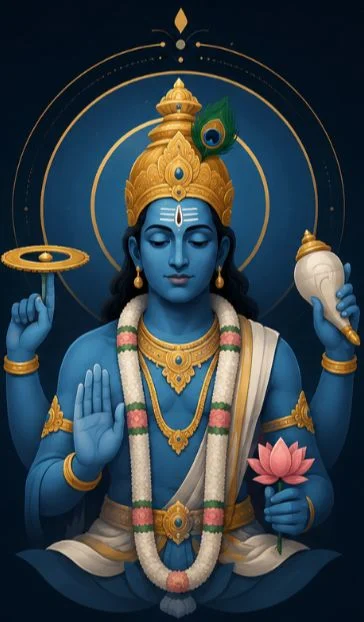
Offer online
Commission Shraddha & Pind Daan via SevaCart
Verified purohitas at Gaya, Kashi, Prayagraj, Haridwar, Rameshwaram. Photographic proof returned for each kriya.